I founded EventWell® in 2017 to make a difference to an industry I love. An industry I’ve spent nearly three decades in. Next year marks 30 years working in events – and 10 years of EventWell. One decade of my career dedicated to changing how we think about wellbeing, accessibility, and inclusion in live environments.…
Designing for Brains, Not Just Access: Why Events Must Move Beyond Neuroinclusion to Neuro-Affirming
Events are, at their core, human experiences. They are built on connection. Conversation. Energy. Shared moments in time. Which means this: if people don’t feel safe to be in those spaces- really be – then the event isn’t working as well as we think it is. For years, the industry has been (rightly) talking about…
Quiet Rooms Don’t Fail Because of Bad Intentions. They Fail Because No One Is Managing Them.
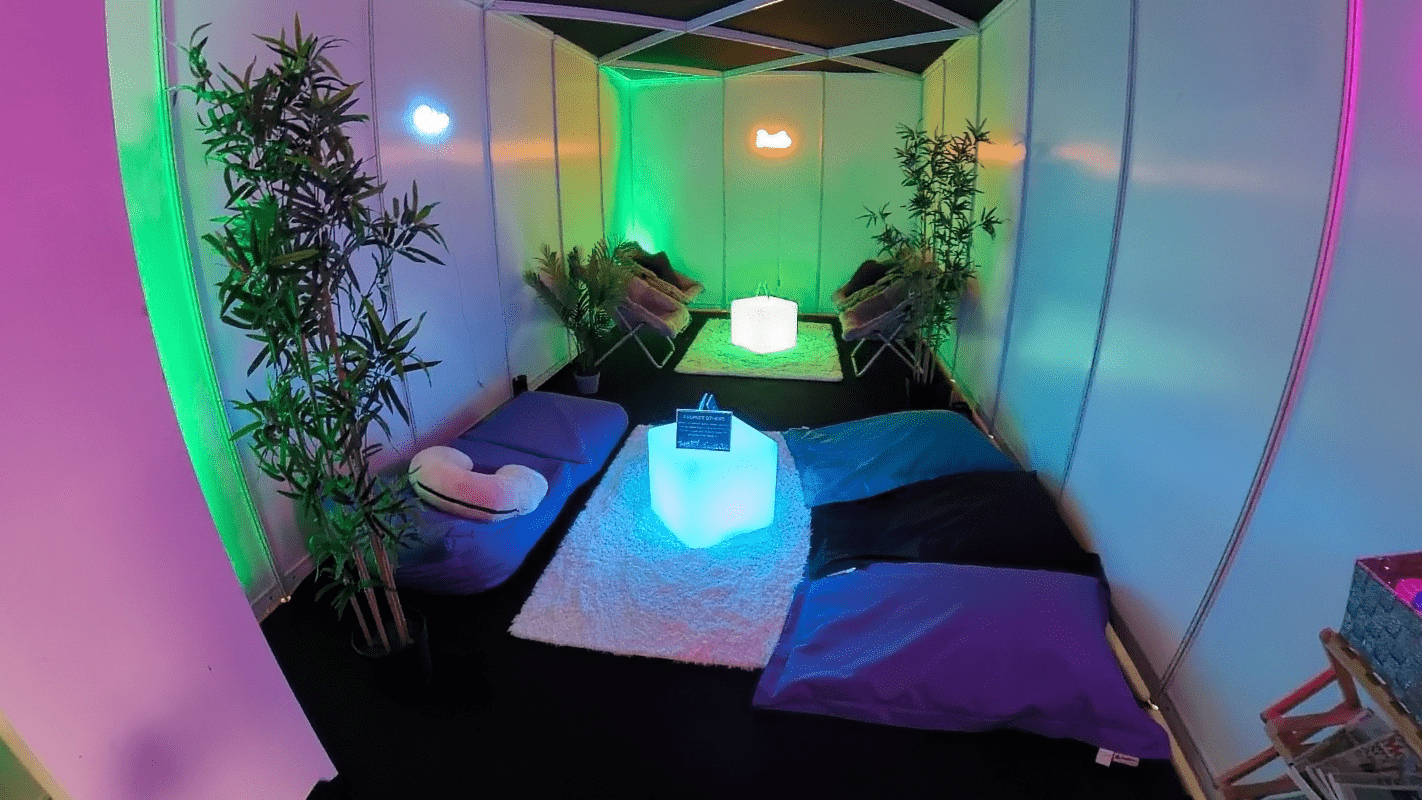
There’s a persistent assumption in the events industry that once you’ve created a quiet room, the job is done. A calm space. Some soft lighting. Maybe a few beanbags, fidgets, or headphones. And that’s it. But here’s the reality: a quiet room without supervision doesn’t stay a quiet room for very long. Not because people…
Why the Event Industry’s Obsession with “Big Surprises” Needs to End
Let’s talk about the elephant in the exhibition hall. For some reason, the event industry still seems completely fixated on “big surprises”. The “shock and awe” moment, the unannounced headliner, the flash mob in the middle of networking, the mystery “secret experience” no one’s allowed to know about until they’re knee-deep in it. It’s as…
Why We Need to Stop Defining Individuals by Age Demographics
For decades, society has categorised people into neat age brackets; Millennials, Gen Z, Boomers, (Gen X, the forgotten one!), assuming that these labels accurately represent who we are, how we think, and what we need. But here’s the truth: using age demographics to define individuals often results in stereotypes, misrepresentation, and even discrimination. At EventWell…
Sensory Decompression: The Science Behind It
Sensory decompression refers to the process of reducing sensory input to help individuals relax, reset, and recover from overstimulation. It is particularly beneficial for neurodivergent individuals who may be more sensitive to sensory inputs. Here’s the science behind it: 1. The Role of the Nervous System Autonomic Nervous System (ANS), the ANS has two main…
Planning Event Session and Keynote Length for Neuroinclusion
How long is too long? How long is too short? What is the perfect session length at an event? Today we wanted to share some valuable insight on planning session and keynote lengths to ensure a neuroinclusive experience for all attendees. By considering the diverse needs and attention spans of your audience, you can create…
Event Marketing for Neuroinclusion
When you are planning the event marketing strategy for your event, do you truly consider neurodiversity and how you would cut above the noise to attract all kinds of minds? Are you aware that 8 out of 10 neurodivergent individuals are likely to pass on attending your event, and are you aware that it is…
Building Trust for Neurodivergent Event Attendees
Neurodivergent individuals have diverse neurological conditions such as autism, ADHD, dyslexia, and more. Building trust is essential to ensure their comfort, inclusion, and overall positive experience. Do you know how you can build trust and create a welcoming environment for neurodivergent attendees at your events. Let’s explore some strategies to foster trust: 1. Education and…
The Impact of Events on Dyslexic Attendees
Dyslexia is a learning difference that affects reading, writing, and spelling skills. Events, with their abundance of written materials and fast-paced nature, can present unique challenges for dyslexic individuals. Today, we want to shed light on the impact of events on individuals with dyslexia. Let’s explore the impact of events on dyslexics and how we…
The Power of Silence: How the Inclusion of a Quiet Room Boosts Event Attendee Numbers
Introduction: In today’s fast-paced and noisy world, finding moments of tranquillity and respite has become increasingly challenging. Recognising this need, event organisers have started incorporating quiet rooms into their events. These dedicated spaces provide attendees with a sanctuary away from the hustle and bustle, ultimately enhancing their overall experience. This post explores how the inclusion…


You must be logged in to post a comment.