Why We’re Relaunching QSSS™ — And Why the Events Industry Needs More Than Neuroinclusion

I founded EventWell® in 2017 to make a difference to an industry I love. An industry I’ve spent nearly three decades in. Next year marks 30 years working in events – and 10 years of EventWell. One decade of my career dedicated to changing how we think about wellbeing, accessibility, and inclusion in live environments.…

Designing for Brains, Not Just Access: Why Events Must Move Beyond Neuroinclusion to Neuro-Affirming

Events are, at their core, human experiences. They are built on connection. Conversation. Energy. Shared moments in time. Which means this: if people don’t feel safe to be in those spaces- really be – then the event isn’t working as well as we think it is. For years, the industry has been (rightly) talking about…

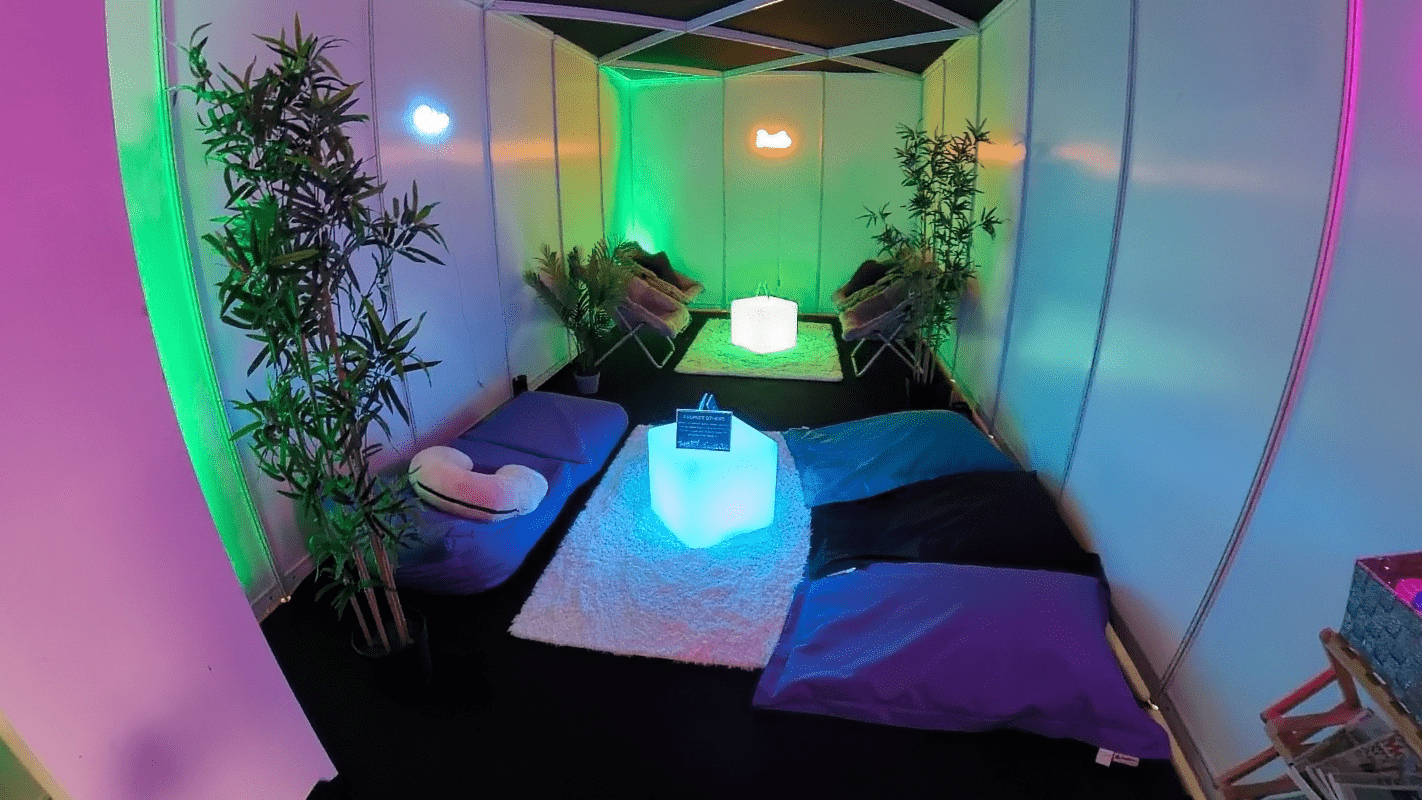
Quiet Rooms Don’t Fail Because of Bad Intentions. They Fail Because No One Is Managing Them.

There’s a persistent assumption in the events industry that once you’ve created a quiet room, the job is done. A calm space. Some soft lighting. Maybe a few beanbags, fidgets, or headphones. And that’s it. But here’s the reality: a quiet room without supervision doesn’t stay a quiet room for very long. Not because people…

Disabled Attendees Don’t Want Visibility. They Want Trust.

A disabled marketer shared something on LinkedIn this week that stopped me mid-scroll: Disabled consumers value authenticity, trust, and relevant lived experience over brand visibility. Yes.All of it. Yes. I was speaking to my business coach about it the same day (she’s neurodivergent too), and we both had that same reaction – the kind where…

Who Owns Neuroinclusion at Events?

Let’s Draw a Clear Line. In conversations across the industry, we keep hearing the same thing: “The venue handles accessibility.”“We’ve got a quiet room in the building.”“That’s covered in facilities.” Let’s be clear. Neuroinclusion is not a facilities feature, it is a duty of care responsibility and while venues play a critical role in providing…

The Quiet Weight of Shame: Living Neurodivergent in a World That Didn’t Understand

There’s something we need to talk about. Not sensory tools, not productivity hacks, not “superpowers.” “Shame“. Not the dramatic kind. The quiet kind. The slow, accumulated kind. The kind that builds when you grow up being called Strange. Weird. Too sensitive. Too intense. Too much. Not enough. And after a while, you start to believe…

This Is EventWell’s Research. And It Matters.

In 2022, EventWell® conducted independent research exploring the lived experience of neurodivergent individuals and those with mental health conditions attending live events. We surveyed 165 respondents. What we found changed the direction of our work – and ultimately shaped the development of not only our SensoryCalm service and support, but both the Neuroinclusion Maturity Index™…

Designing Events for Brains – not just budgets!

In the events industry, we talk a lot about budgets; margins, footfall, ROI, delegate numbers, square metre costs – all important, all necessary, but we don’t talk nearly enough about brains. The nervous systems moving through our spaces, the sensory load of conferences, the cognitive exhaustion of festivals, the emotional labour of networking, the quiet…

“No More DIY Support” — What the Autism Act Committee Really Means for Events

Why the House of Lords inquiry signals the end of improvised sensory support, and what the events industry must do next. The House of Lords Autism Act 2009 Committee has this week published its findings, and one message cuts through everything: Support for autistic people can no longer be improvised, superficial, or left to goodwill.…

Beyond Surface-Level Inclusion: Why Events Need a Deeper Approach to Accessibility

In the last week, I’ve seen a noticeable shift in conversations around accessibility and neuroinclusion at events. More organisers, suppliers and industry voices are buzzing in, asking questions, sharing experiences, debating “what’s reasonable,” and exploring what inclusion should look like in practice. Awareness is rising, and that’s a really good thing. But as these discussions…

Why Supervised Quiet Rooms Aren’t Optional — They’re a Legal, Safety and Safeguarding Requirement

Quiet rooms are rapidly becoming a core part of modern event design, and that’s a good thing. They give attendees a safe, calm space to step away from sensory overload, emotional overwhelm, or the sheer intensity of an event environment. But here’s the part the industry still hasn’t caught up with: If you provide a…

Voices From the Quiet Room: Why Lived Experience Must Lead the Conversation on Neuroinclusion

We talk a lot about innovation, creativity, engagement, and experience, but there’s a quieter conversation happening, one that is so often overlooked, yet absolutely essential for the wellbeing and inclusion of thousands of attendees. At EventWell, we see what happens in these spaces every single week; people arriving overstimulated, overwhelmed, exhausted or anxious, and leaving…

Why the Events Industry Needs the Quiet Room Safety & Supervision Standard (QSSS™)

And why we can’t afford to get this wrong anymore. Quiet rooms are finally becoming a mainstream inclusion feature across conferences, exhibitions, festivals and sporting events, and that’s a brilliant step forward. More organisers are recognising that big crowds, high sensory load and fast-paced environments can be overwhelming, especially for neurodivergent attendees, people with anxiety,…

“Voices That Shape Us” – Evie Darrell

At EventWell, every host brings a unique story, lived experience, and perspective that shapes the way we create safe, calm, and inclusive spaces for others. Voices That Shape Us is a celebration of those voices, the calm in the crowd, the compassion behind the support, and the lived understanding that makes our SensoryCalm™ spaces what…

“Voices That Shape Us” – Hannah Smith

At EventWell, every host brings a unique story, lived experience, and perspective that shapes the way we create safe, calm, and inclusive spaces for others. Voices That Shape Us is a celebration of those voices, the calm in the crowd, the compassion behind the support, and the lived understanding that makes our SensoryCalm™ spaces what…

Why Unsupervised Quiet Rooms Are a Safeguarding Risk — And Why Working With Specialists Isn’t Optional

Across the events industry, a troubling pattern is emerging: as budgets tighten, the first things to be cut are often accessibility and wellbeing services. Quiet Rooms, Sensory Spaces, and neuroinclusive design is being stripped back or replaced with tokenistic options, with little thought for safety, supervision, or safeguarding. Let’s be absolutely clear: at large-scale events,…

Neurodiversity: Not a Modern Phenomenon but an Evolutionary Strength

We often think of neurodiversity, autism, ADHD, dyslexia, and other neurological differences, as something new, something we’ve only recently begun to understand. But what if these ways of thinking, processing, and experiencing the world aren’t modern anomalies at all, but deeply rooted parts of our evolutionary story? From an evolutionary perspective, there’s a compelling argument…

🧠 Why Your ADHD Brain Craves Protein (And Why That Afternoon Slump Might Not Be About Sugar)

By Helen Moon, Neurodivergent CEO & Founder, EventWell Let’s talk about something I know I’m not alone in, the 3pm shakes, the foggy brain, the sudden need to eat everything in sight, or the strange cravings for yoghurt and eggs like you’re in some kind of protein cult. For years, I thought this was about…

Why Venues Need to Stop Developing NeuroInclusion Toolkits for the Event Industry

Neuroinclusion in events is not just a trend, it’s a necessity. With research showing that 85% of neurodivergent attendees have avoided events due to fear of overwhelm and that 88% feel event organisers don’t understand their needs, it’s clear that real change is needed. However, a worrying pattern is emerging. Venues across the industry are…

No Budget or No Buy-In? Rethinking Priorities in Event Accessibility

One of the most common responses we hear when discussing accessibility and inclusion at events is: “We’d love to, but we just don’t have the budget.” But is it really about budget? Or is it about buy-in? No Budget vs No Buy-In When an organiser says they have no budget, what they often mean is…

Why Neuroinclusion is Universal Design for All Events

Every event is a neurodiverse event! Whether or not organisers realise it, their attendees include individuals with unique ways of processing the world. This includes neurodivergent individuals, such as those with autism, ADHD, dyslexia, and other neurological differences. But neurodiversity doesn’t stop there, it also includes neurotypical attendees. Neurodiversity refers to the full spectrum of…

Unlocking Neurodivergent Strengths: The Game-Changing Value for the Events Industry

The conversation around neurodivergence has long been dominated by a deficit narrative, focusing on challenges and differences as obstacles to overcome. But what if we flipped the script? What if we highlighted the remarkable strengths neurodivergent people bring to the table, particularly in the fast-paced, dynamic world of event planning and management? Neurodivergent individuals possess…

Mental and Cognitive Load: The Hidden Hurdles for Neurodivergent Event Attendees

Attending an event might seem like a straightforward decision for many people. Browse the lineup, grab a ticket, plan an outfit, and show up. However, for neurodivergent individuals, the decision to attend an event is far more complex, laden with mental and cognitive considerations that neurotypical attendees may not even think twice about. In this…

The Employment Crisis for Autistic People and the Role of Inclusive Events

One of the starkest statistics about autistic individuals is that only 30% are in employment, a figure that speaks volumes about systemic barriers, stigma, and exclusion. Events, whether conferences, trade shows, networking meetups, or training sessions, play a critical role in addressing this disparity. These spaces are hubs of education, professional development, and connection, and…

Neurobiases in the Event Space: Breaking Down Barriers to True Inclusion

The event industry is a vibrant space where people connect, learn, and grow. However, for many neurodivergent individuals, events can be overwhelming and inaccessible due to neurobiases; unconscious assumptions or stereotypes about those who think, process, or experience the world differently. These biases create significant barriers to inclusion, often leaving neurodivergent attendees excluded or unsupported.…

Why We Need to Stop Defining Individuals by Age Demographics

For decades, society has categorised people into neat age brackets; Millennials, Gen Z, Boomers, (Gen X, the forgotten one!), assuming that these labels accurately represent who we are, how we think, and what we need. But here’s the truth: using age demographics to define individuals often results in stereotypes, misrepresentation, and even discrimination. At EventWell…

Top 10 Tips for Event Professionals to Stay Active and Boost Mental Health Between Events

Event professionals lead dynamic, fast-paced lives, often juggling multiple responsibilities and deadlines. In the midst of managing our events, it’s essential we prioritise self-care and physical activity to support our mental wellbeing. We also know how physically active and hands on working on an event can be (anyone who’s ever counted the number of steps…

The Growing Importance of Safeguarding at Events in an Inclusive World

In today’s world, the focus on accessibility and inclusion has become more prominent than ever before. With the increasing awareness and advocacy for diversity and equality, event organisers are facing a growing need to prioritise safeguarding measures to ensure the safety and wellbeing of all participants. In this blog post, we will explore why safeguarding…

The Value of Neurodivergent Speakers at Events: Importance of Support and Accommodations

Neurodiversity is a concept that recognises and celebrates the diversity of neurological differences among individuals, including those with conditions such as autism, ADHD, dyslexia, and more. In recent years, there has been a growing awareness of the unique perspectives and talents that neurodivergent individuals bring to the table, making them valuable speakers at events. In…

Embracing the Sunflower Lanyard Hidden Disability Scheme at Events: Promoting Inclusivity and Support

The Sunflower Lanyard Hidden Disability Scheme is a subtle yet powerful initiative designed to support individuals with hidden disabilities in navigating public spaces and accessing necessary assistance. The scheme involves wearing a sunflower lanyard or badge to discreetly indicate to staff and others that the wearer may require additional support or understanding due to a…