Why the Event Industry’s Obsession with “Big Surprises” Needs to End

Let’s talk about the elephant in the exhibition hall. For some reason, the event industry still seems completely fixated on “big surprises”. The “shock and awe” moment, the unannounced headliner, the flash mob in the middle of networking, the mystery “secret experience” no one’s allowed to know about until they’re knee-deep in it. It’s as…

Unlocking Neurodivergent Strengths: The Game-Changing Value for the Events Industry

The conversation around neurodivergence has long been dominated by a deficit narrative, focusing on challenges and differences as obstacles to overcome. But what if we flipped the script? What if we highlighted the remarkable strengths neurodivergent people bring to the table, particularly in the fast-paced, dynamic world of event planning and management? Neurodivergent individuals possess…

Mental and Cognitive Load: The Hidden Hurdles for Neurodivergent Event Attendees

Attending an event might seem like a straightforward decision for many people. Browse the lineup, grab a ticket, plan an outfit, and show up. However, for neurodivergent individuals, the decision to attend an event is far more complex, laden with mental and cognitive considerations that neurotypical attendees may not even think twice about. In this…

Temporary Vulnerability in Sensory Overwhelm and Mental Distress

Sensory overwhelm and mental distress can lead to temporary vulnerability where individuals are unable to fully process their environment, make safe decisions, or communicate their needs effectively. This state can arise suddenly, particularly for neurodivergent individuals, people with mental health challenges, or those experiencing situational stress (e.g., at a crowded or intense event). Key aspects…

Why Event Organisers Should Invest in Supervised and Properly Resourced Sensory Spaces

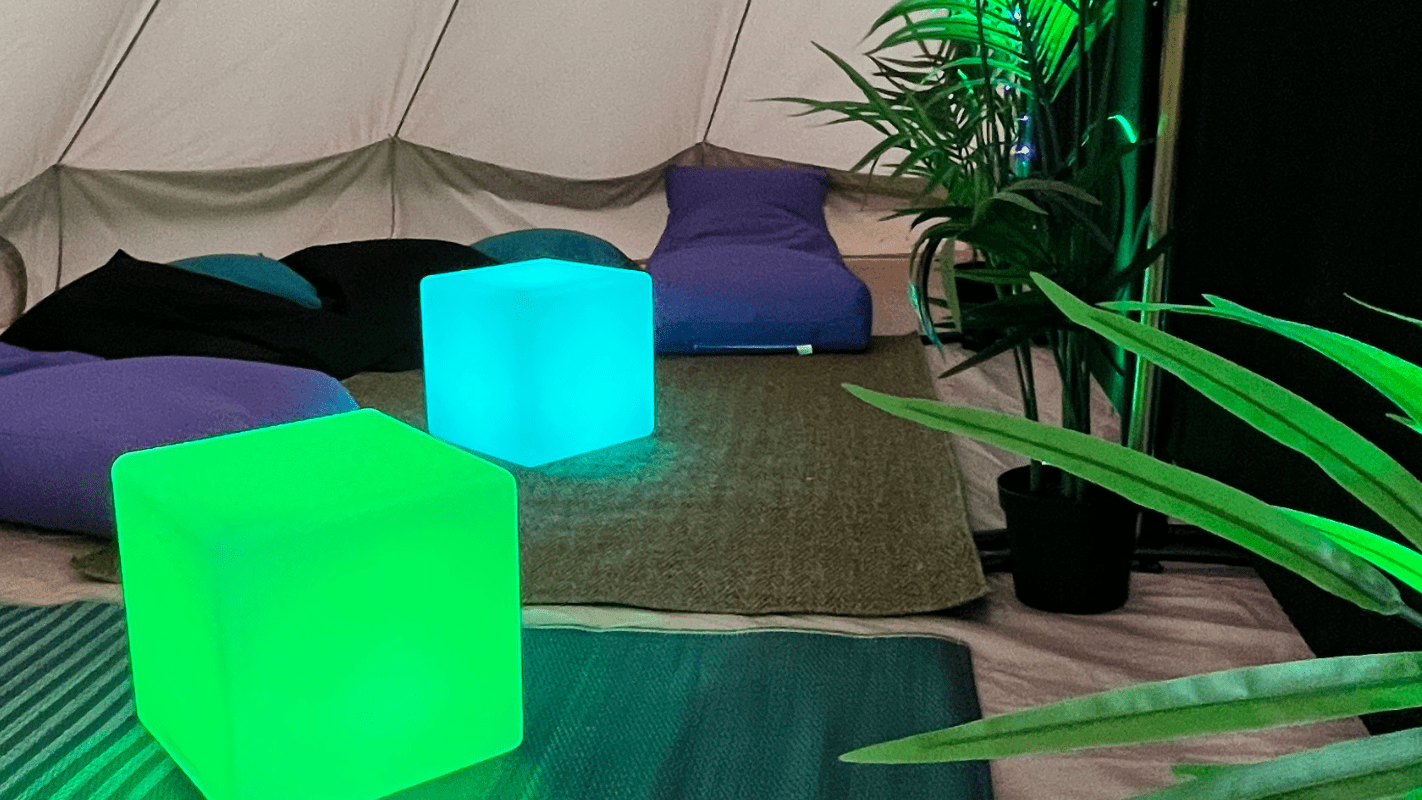
In today’s events landscape, accessibility and inclusion are not optional, they are legal, ethical, and reputational imperatives. Providing supervised and properly resourced sensory spaces and quiet rooms is a critical investment for event organisers, especially considering the growing recognition of the needs of neurodivergent individuals and the legal obligations surrounding these provisions. Legal Considerations: Equality…

Sensory Decompression: The Science Behind It

Sensory decompression refers to the process of reducing sensory input to help individuals relax, reset, and recover from overstimulation. It is particularly beneficial for neurodivergent individuals who may be more sensitive to sensory inputs. Here’s the science behind it: 1. The Role of the Nervous System Autonomic Nervous System (ANS), the ANS has two main…

10 Tips for Moving More to Boost Your Mental Health

Prioritising physical activity is more important than ever for maintaining our mental health and overall wellbeing. Incorporating movement into our daily lives not only improves physical fitness but also has profound benefits for our mental health, reducing stress, boosting mood, and enhancing cognitive function. If you’re looking to move more and reap the mental health…

Moving Minds: The Intersection of Movement and Neurodivergent Mental Health

In recent years, there has been growing recognition of the profound impact that movement can have on mental health and wellbeing. However, this relationship is particularly significant for individuals who are neurodivergent – those whose neurological development and functioning differs from what is perceived to be the typical norm. From autism spectrum disorder (ASD) to…

The Mind-Body Connection: How Movement Nurtures Mental Health

In a world where screens dominate our attention and sedentary lifestyles are the norm, the importance of movement for mental health cannot be overstated. Beyond the physical benefits of exercise, the impact on our mental wellbeing is profound and multifaceted. Let’s explore why movement is not just good but essential for nurturing our mental health.…

Shifting Perceptions: The Rise of Neurodivergence in Mental Health

In recent years, there has been a significant shift in how we perceive and understand mental health conditions. Conditions like Obsessive-Compulsive Disorder (OCD) and Bipolar Disorder, once viewed solely through a lens of pathology, are now increasingly being recognised as forms of neurodivergence. This shift in perspective is driven by a growing understanding of the…

Navigating the Anxiety of Disclosing Neurodivergence to Strangers

In a society that often places a premium on conformity and sameness, individuals with neurodivergent conditions face unique challenges when it comes to disclosing their differences to strangers. The fear of judgment, discrimination, and misunderstanding can create a sense of anxiety and pressure that can be overwhelming. This post explores the complexities of disclosing neurodivergence…

Enhancing Event Experiences with Wellbeing Sessions: The Power of Breathwork

In the fast-paced world of events and conferences, where schedules are packed and demands are high, taking a moment to focus on wellbeing can make all the difference. Incorporating wellbeing sessions such as breathwork, progressive muscle relaxation, and chair yoga into your event can significantly enhance the event experience, leaving attendees feeling refreshed, rejuvenated, and…

EventWell to launch new service at International Confex

The charitable social enterprise, EventWell, has announced it will be expanding its support services with the launch of the EventWell® Buddy service at International Confex 2024, at ExCeL London on February 28-29, 2024. Helen Moon, founder and chief executive of EventWell, explained, “It is currently estimated that 15 – 20% of the population are neurodivergent,…

Supporting Others at Christmas

As we are days away from Christmas Day, it’s important to remember that not everyone experiences the same joy and happiness that the festive season brings. There are so many other ways to give that don’t involve presents as gifts have many guises. This year, let’s make an extra effort to support those who may…

Mental Wellbeing in the Event Industry

This month marks six years since the EventWell began the mission of bringing the topic of mental health in the events industry to the forefront of people’s minds, and this got us thinking about how far we have come since October 2017. While progress has been made, there is still much more work to be…

Understanding Event Welfare and Its Importance

Event welfare refers to the wellbeing and safety of all individuals involved in an event, including attendees, staff, volunteers, and performers. It encompasses physical, mental, and emotional aspects, ensuring that everyone’s needs are met and that they have a positive and inclusive experience. Today, we want to shed light on the concept of event welfare…

Why Should Quiet Rooms at Events be Supervised?

Quiet rooms at events should be supervised for several reasons. Firstly, supervision ensures the safety and well-being of individuals using the quiet room. By having a responsible person present, any emergencies or incidents can be promptly addressed and appropriate action can be taken. This supervision can include trained staff or volunteers who are knowledgeable about…

The Power of a Quiet Room in Boosting Event Profitability!

Calling all event organisers and entrepreneurs! We want to shed light on a game-changing strategy that can significantly enhance the profitability of your events: the addition of a quiet room. As experts in event management, we’ve witnessed firsthand the transformational impact a designated quiet space can have on the overall success of an event. While…

Ode to an Event Organiser

In a world that’s loud and fast, where chaos seems to bloom,There’s a place where peace is found, a quiet room.To all the event organisers, who truly understandNeuroinclusion and mental health, they take a stand. They create a haven, where minds can find reprieve,A sanctuary of solace, where we can all believe,In the power of…

Events Agency Challenges the Status Quo with Launch of 4-Day Work Week Trial

We’re witnessing a global shift in the way we work and what people expect from their employer. Hybrid, remote and flexible working remain on the tip of most employees’ proverbial lips. Whilst these terms are open to interpretation depending on the context and disparities in business culture, the latest stats demonstrate that this is an…

Employers, this is your Call to Action, the business case is clear

The health and wellbeing of our people has never been more important. Employees need all the help they can get. And in a world of work that’s changing at an unprecedented rate, it makes sense for employers to increasingly play a proactive role, understanding what employees need, supporting their wellbeing and empowering colleagues to thrive. “The…

IACC Shines with its Digi-Live Europe Knowledge Festival

IACC partnered with hybrid event specialist Abbit to stage the one-day conference, which held in-person sessions at Skogshem and Wijk in Sweden and Warwick Conferences in the UK. The event was attended by delegates from across Europe and the US. The conference programme included keynote sessions from Helen Moon, Founder and CEO of Eventwell and Julian Stubbs, CEO of UP THERE,…

Suicide – my lived experience!

Please note: this blog contains details of suicide that some may find triggering, upsetting or distressing. Please refer to our infoline page for organisations that can offer support and assistance. Today, 10th September 2021, marks World Suicide Prevention Day. I wanted to share another date with you. The 26th September 1993, and in 16 days…

Putting one step in front of the other is enough

There are so many people that have discovered running or the PE with Joe workouts to keep them through the last few months. For me the thing that has got me through is even easier – walking.  Simply walking out of the front door and taking the same route around the village as often as…

Don’t Panic: A Five Point Plan for Anyone Made Redundant

People talk about redundancy being like a bereavement, and yes, there are many similarities. However, there are added elements to it.  Some people feel shame; they perceive redundancy to be a stigma, as if the reason they were singled out was personal and not because of a global pandemic. Others may find that it severely shakes…