Why We’re Relaunching QSSS™ — And Why the Events Industry Needs More Than Neuroinclusion

I founded EventWell® in 2017 to make a difference to an industry I love. An industry I’ve spent nearly three decades in. Next year marks 30 years working in events – and 10 years of EventWell. One decade of my career dedicated to changing how we think about wellbeing, accessibility, and inclusion in live environments.…

Designing for Brains, Not Just Access: Why Events Must Move Beyond Neuroinclusion to Neuro-Affirming

Events are, at their core, human experiences. They are built on connection. Conversation. Energy. Shared moments in time. Which means this: if people don’t feel safe to be in those spaces- really be – then the event isn’t working as well as we think it is. For years, the industry has been (rightly) talking about…

Quiet Rooms Don’t Fail Because of Bad Intentions. They Fail Because No One Is Managing Them.

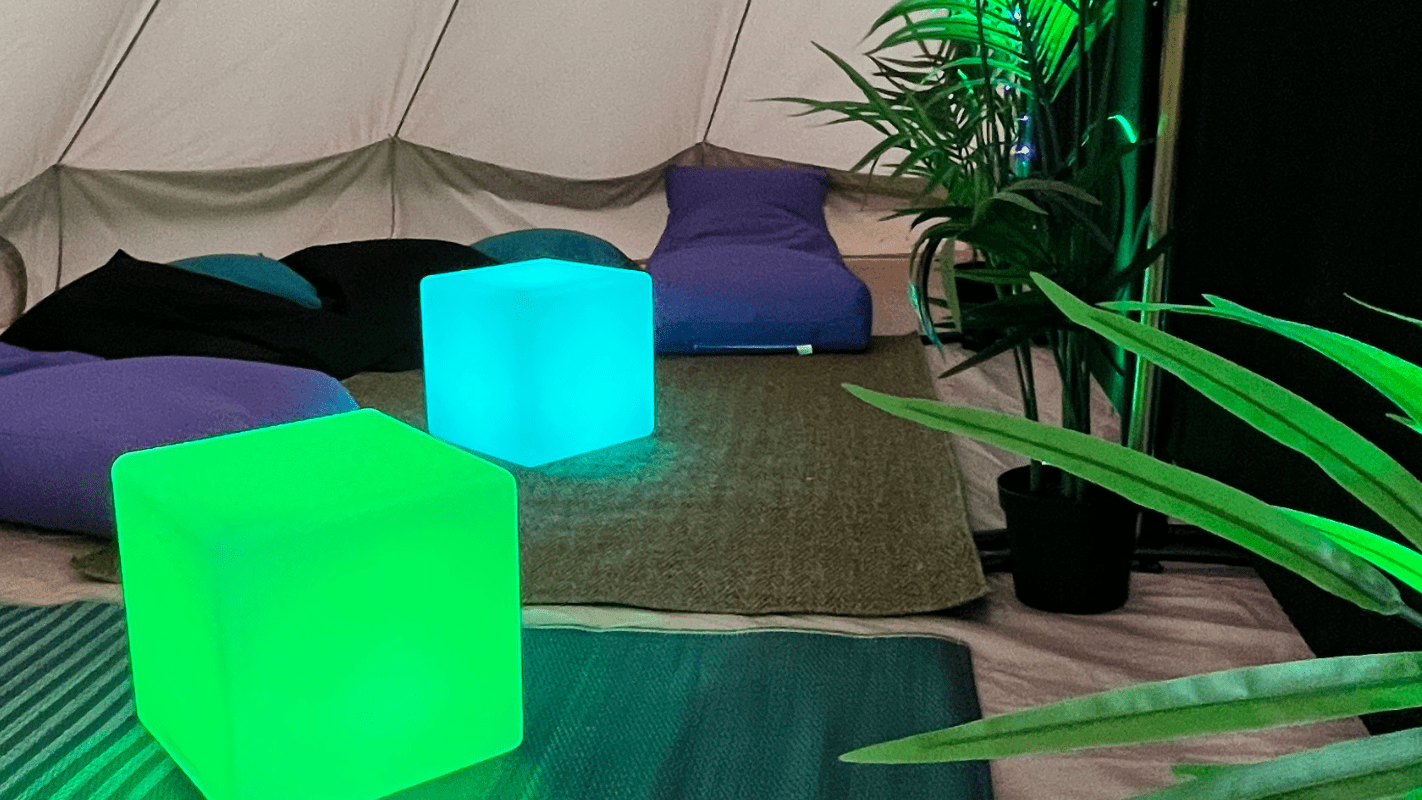
There’s a persistent assumption in the events industry that once you’ve created a quiet room, the job is done. A calm space. Some soft lighting. Maybe a few beanbags, fidgets, or headphones. And that’s it. But here’s the reality: a quiet room without supervision doesn’t stay a quiet room for very long. Not because people…

Understanding Reasons for Neurodivergent Individuals NOT Attending Events

Why would approximately 8 out of 10 of neurodivergent individuals choose not to attend an event, or choose to attend and then pull out at the very last minute? While each person’s experience is unique, there are several common factors that can contribute to their decision. Understanding these reasons can help event organisers create more…

The Impact of Events on Dyslexic Attendees

Dyslexia is a learning difference that affects reading, writing, and spelling skills. Events, with their abundance of written materials and fast-paced nature, can present unique challenges for dyslexic individuals. Today, we want to shed light on the impact of events on individuals with dyslexia. Let’s explore the impact of events on dyslexics and how we…

Neuroinclusive Event Design – Top Ten Tips

Creating events that are inclusive and considerate of diverse neurological needs is not only essential but also ensures that everyone can fully participate and enjoy the experience. Today, we wanted to share some expert tips on neuroinclusive event design, here are our top ten tips for neuroinclusive event design: 1. Prioritise Accessibility: Make accessibility a…